

A leaning fence or a cracked retaining wall rarely appears overnight. In many cases, the cause has been developing quietly beneath the surface for years. Tree roots expand gradually, searching for moisture and stability, often without visible signs above ground.
While mature trees add shade and character to a property, their underground systems can place pressure on nearby structures. Without early assessment, what begins as minor movement may progress into structural damage that requires costly repair.
Understanding how root systems interact with fences and retaining walls is the first step in preventing long-term issues.
It is common to assume that a tree’s root system mirrors the size of its canopy. In reality, roots frequently extend well beyond the drip line, spreading laterally through soil in search of nutrients and water.
As roots thicken, they exert pressure on anything in their path. This gradual expansion can lead to root damage to fences and nearby foundations, particularly when structures sit close to established trees.
An arborist inspection can help identify how far roots have travelled and whether they pose a risk to boundary structures. Assessing growth patterns early supports informed decisions about management rather than reactive repairs.
Hairline cracks or minor bulging in retaining walls are often dismissed as simple settling. However, retaining wall damage can sometimes be traced to expanding root systems pushing against soil from below or behind.
Warning signs may include:
When roots disrupt compacted soil, they may increase lateral pressure behind the wall. Identifying these signs early allows for targeted action before structural integrity is compromised.
Fence posts rely on stable soil for support. When roots grow beneath or alongside post footings, they can gradually lift or shift the base. Over time, this may result in fence structural damage, including leaning panels or gaps between sections.
Tree root problems near boundary lines can also affect alignment between neighbouring properties. Where movement is traced to root expansion, arborists may recommend careful root management or tree removal near fences if risk is ongoing.
Understanding the source of movement prevents repeated repairs that fail to address the underlying issue.
Many structural issues begin with well-intentioned planting too close to fences or retaining walls. Some species develop aggressive root systems that expand rapidly in search of moisture.
When planning landscaping, consider:
Preventing root damage begins long before signs of stress appear. Consulting an arborist during planting stages can help protect property boundary protection and reduce future structural concerns.
Retaining walls rely on controlled drainage to reduce hydrostatic pressure. When roots infiltrate drainage channels or compacted backfill areas, they can redirect water flow or trap moisture.
Poor drainage may:
Tree roots near retaining walls can therefore affect both structural and drainage performance. Monitoring root growth patterns helps reduce the likelihood of compounded issues over time.
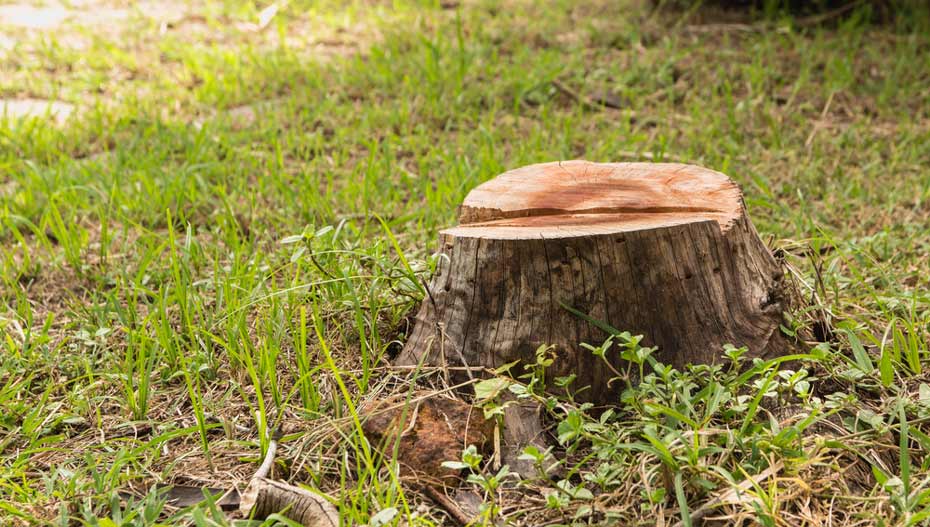
After a tree is removed, its stump and remaining root system often continue to influence surrounding soil. In some cases, residual roots remain active or decay unevenly, affecting ground stability.
Tree stump removal may help address:
Removing the stump and managing remaining roots can help reduce ongoing structural pressure and provide a stable base for future installations.
Not every situation requires full removal. Strategic pruning can reduce canopy weight and modify growth patterns, potentially easing strain on root systems.
By managing overall tree balance, arborists can assess whether targeted pruning will help limit future root expansion pressure. This approach allows property owners to retain valued trees while monitoring structural impact.
Regular inspection ensures that pruning remains aligned with structural safety and long-term stability.
Boundary issues can quickly escalate if structural movement affects adjoining properties. Addressing tree root problems early reduces the likelihood of disputes and shared repair costs.
Timely intervention may involve:
Taking action before visible retaining wall damage or fence movement becomes severe supports responsible property management and minimises long-term expense.
Established trees and shifting soil conditions can create challenges for Central Coast property owners, particularly where mature gardens sit close to fences and retaining walls. At
All Tree Solutions, we assist with assessments, tree management, and tree stump removal on the Central Coast to help protect structural boundaries and reduce ongoing root pressure. If you are concerned about tree roots near retaining walls or fence movement, visit https://alltreesolutions.com.au/ for more information or contact us to arrange an inspection.